Why Lucky 9 Still Pulls a Crowd in Philippine Casinos
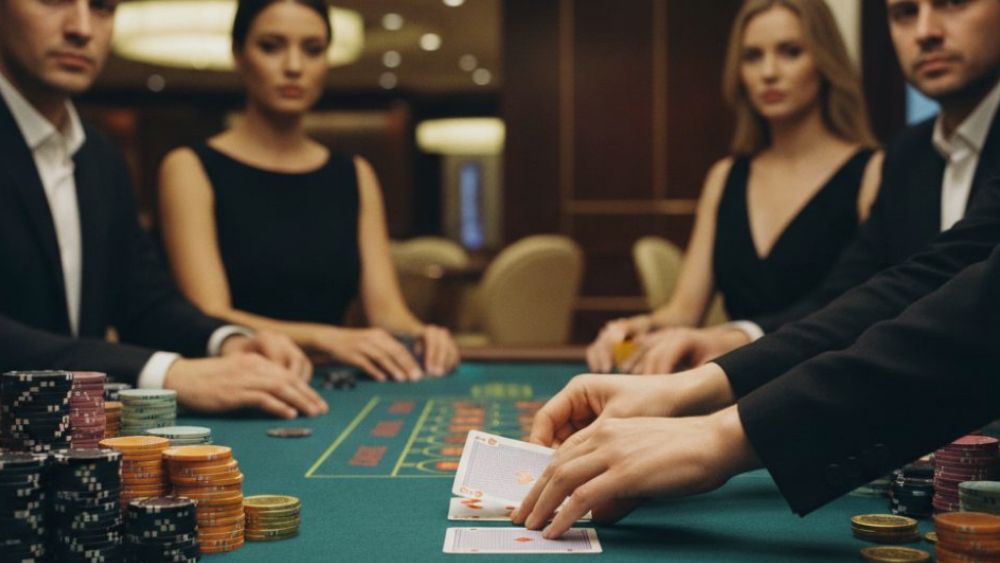
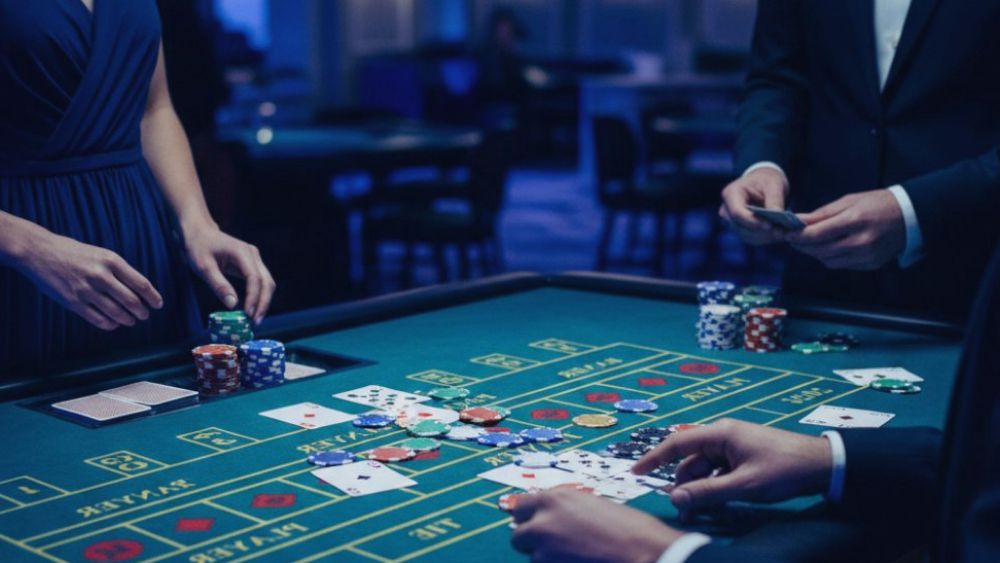
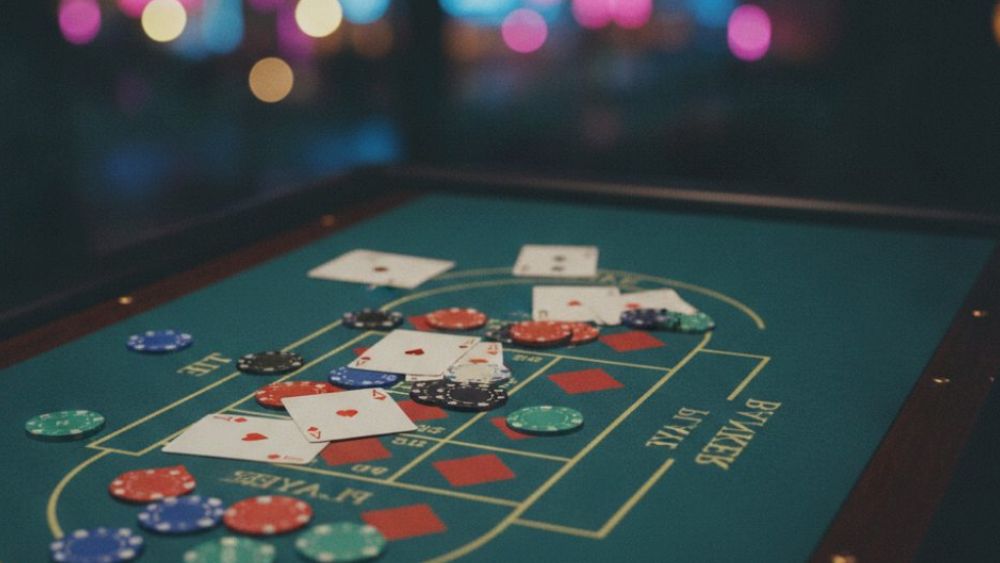
Walk into any casino floor in Metro Manila on a Friday night and you'll see it: a table with a handful of players leaning in, cards flipping, and a dealer calling out totals in that familiar rhythm. That's Lucky 9. It's not as loud as baccarat or as intimidating as poker, but it has a loyal following here — and for good reason.
Lucky 9 sits in a sweet spot. The rules are easy enough to learn in one hand, the betting minimums are usually friendlier than high-limit baccarat, and the pace gives you just enough time to think without slowing down the table. If you've played pusoy dos or even just tong-its at home, the card values will feel familiar.
This guide is for the player who's seen the table, maybe watched a few rounds, and wants to actually sit down and play with confidence. I'll walk through how the game works, when you draw a third card, what the payouts look like, and the small decisions that separate a fun session from a frustrating one.
The Core Rules: Card Values and Hand Totals
Lucky 9 uses a standard 52-card deck, and sometimes multiple decks depending on the table. The goal is simple: get a hand total as close to 9 as possible. If you go over 9, you drop the tens digit — same as baccarat.
How Each Card Counts
- Aces = 1 point
- 2 through 9 = face value
- 10, Jack, Queen, King = 0 points
So if you're dealt a 7 and a 6, your total is 13, which becomes 3. A 9 and a King? That's 9 — the best hand you can hold. Two face cards? That's 0, also known as bakya or a dead hand in local table slang.
What Happens After the Deal
Each player gets two cards. The dealer also gets two. From there, the game branches:
- If your first two cards total 8 or 9, you stand automatically. No drawing. That's a natural.
- If your total is 7 or less, you have a choice: stand or draw one more card.
- You can only ever draw one additional card. No multiple hits.
The dealer follows similar rules but usually has less flexibility — at most tables, the dealer draws on totals below 5 and stands on 5 or higher. Some casinos tweak this, so always check the table card before you buy in.
One thing I learned the hard way: at some tables, if the dealer's total is 4 or lower, they must draw regardless of what you do. Your third-card decision doesn't change their outcome.
The Third-Card Decision: Where Most Players Get It Wrong
Here's where Lucky 9 stops being purely mechanical. When your total is between 0 and 7, you decide whether to take one more card. That decision matters, and it's not always obvious.
When Standing Makes Sense
If you're sitting on a 6 or 7, drawing is risky. You need to hit a card that pushes you closer to 9 without busting past it. From a 7, only an Ace or 2 helps you. From a 6, an Ace, 2, or 3 works. Everything else either keeps you flat or drops your total.
Many regulars at Philippine tables will stand on 7 without blinking. On 6, it's a coin-flip decision — some stand, some draw. There's no single correct answer, but the math leans slightly toward standing on 7 and drawing on 6 if you're chasing a stronger hand.
When Drawing Is Almost Mandatory
If you're holding 0, 1, 2, or 3, you have almost nothing to lose. Drawing is the obvious play. Even a mid-range card can push you to a competitive total. Standing on a 2 or 3 is basically donating your bet to the house unless the dealer also has a weak hand.
A Quick Reference for New Players
- 0–3: Draw. Always.
- 4–5: Draw, unless you have a read on the dealer's weak hand.
- 6: Your call. Slight edge to drawing.
- 7: Stand. The risk outweighs the reward.
- 8–9: Automatic stand. You're already in the best position.
Payouts, Ties, and House Edge in the Philippine Market
Lucky 9 payouts vary slightly between casinos, but the standard structure looks like this:
- Win with 9: Often pays 2:1 or even 3:1 at some tables
- Win with 8: Usually 2:1
- Win with any other total: 1:1
- Tie: Your bet is returned, or in some houses, the house takes half
That last point is important. Some Philippine tables treat ties as a push — you get your money back and move on. Others have a tie takes half rule, which quietly increases the house edge. Before you sit down, ask the dealer or check the placard. It's a small detail that adds up over a long session.
What the House Edge Actually Looks Like
Depending on the table rules, the house edge in Lucky 9 typically sits somewhere between 2% and 5%. That's comparable to baccarat in some configurations, though usually a bit higher than the best baccarat bets. The variance is also higher because of the third-card decision — your choices genuinely affect your long-term results, unlike in pure chance games.
If you're playing at an online casino licensed by PAGCOR, the payout structure is usually displayed in the game info panel. Read it. Some digital versions have different rules than live tables, and assuming they're identical is a costly mistake.
Practical Tips From Someone Who Plays Regularly
After enough sessions, a few habits separate players who last the night from those who burn through their bankroll in twenty minutes.
Set a Session Limit Before You Sit
Lucky 9 moves fast. A hand takes maybe thirty seconds from deal to payout. That's a lot of decisions in an hour. Decide beforehand how much you're willing to lose and how much profit you'll walk away with. Stick to both numbers.
Watch the Dealer's Pattern
Not in a superstitious way — in a practical way. Some dealers draw more aggressively than others depending on the house rules. If the dealer stands on 5, your 6 suddenly looks much stronger. If they draw on 4, your 7 is still good but not invincible.
Don't Chase the 9
The 2:1 or 3:1 payout on a 9 is tempting, but drawing to a 9 from a 5 or 6 is a low-percentage play. You need exactly the right card. More often than not, you'll end up worse off. Take the 1:1 win when it's there.
Know When to Leave the Table
If you've lost five hands in a row and you're increasing your bets to recover, stop. That's not strategy — that's tilt. Walk to the bar, grab a coffee, and come back with a clear head or don't come back at all.
Lucky 9 is a social game. The tables are usually friendly, the dealers are patient with newcomers, and the stakes don't have to be high to be fun. Treat it as entertainment with a bit of strategy mixed in, and you'll enjoy it a lot more.